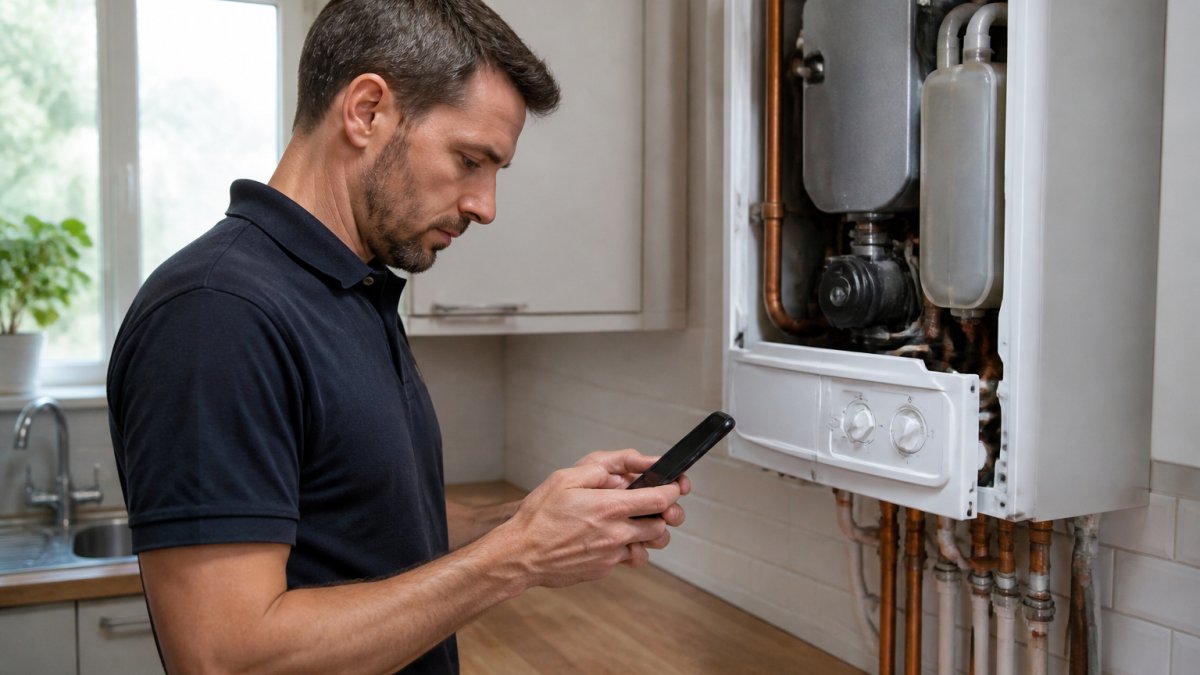
Table of Contents
- Why Checking Gas Safe Registration Before Work Starts Matters
- What You'll Need to Verify Gas Safe Registration
- Step 1: Run a Gas Safe Register Engineer Search
- Step 2: Verify the Gas Safe ID Card in Person
- Step 3: Match the Gas Safe Engineer Qualifications to the Job
- What to Do If an Engineer Is Not Gas Safe Registered
- Common Mistakes to Avoid When Checking Registration
- Conclusion
- Frequently Asked Questions
Last Updated: 21 October 2026
Why Checking Gas Safe Registration Before Work Starts Matters
Any gas engineer working on your boiler, hob, or gas fire must hold a valid Gas Safe registration, and checking it takes minutes. It is a legal requirement in the UK, not a nice-to-have. This guide from Castle Rock Plumbing heating and renewables shows you exactly how to verify gas safe registration before you let anyone touch your appliances.
Gas work carries real risk. Faulty work can cause carbon monoxide leaks, fires, and explosions. The consequences are serious and sometimes fatal.
Here is the part most people get wrong: a van with a Gas Safe logo proves nothing. Nor does a friendly recommendation from a neighbour. You need to check the register itself, and you need to match the engineer's qualifications to the job.
Below, we walk through each step so you can book with confidence.
What You'll Need to Verify Gas Safe Registration
Verification is free and takes about five minutes. You need three things:
- The engineer's full name or their business name
- Their Gas Safe licence number, found on their ID card
- Your appliance type, so you can match their qualifications
You do not need an account or payment. The official register is open to the public, and anyone can search it.
Have your phone ready. You will use it both for the online check and for scanning the QR code on the engineer's card.
Step 1: Run a Gas Safe Register Engineer Search
Start with the online register. The Gas Safe Register engineer search is the fastest way to confirm someone holds a current licence. Visit the official Gas Safe Register website and enter the engineer's name, business name, or licence number.
The results show whether the registration is active and which gas work types they are qualified for. Check the expiry date too. A lapsed registration means they cannot legally work on gas.
If the search returns nothing, stop. Do not book, and do not accept a paper certificate as proof. The online register is the source of truth.
Step 2: Verify the Gas Safe ID Card in Person
The engineer must carry a photo ID card and show it when asked. Ask to see it before any work begins.
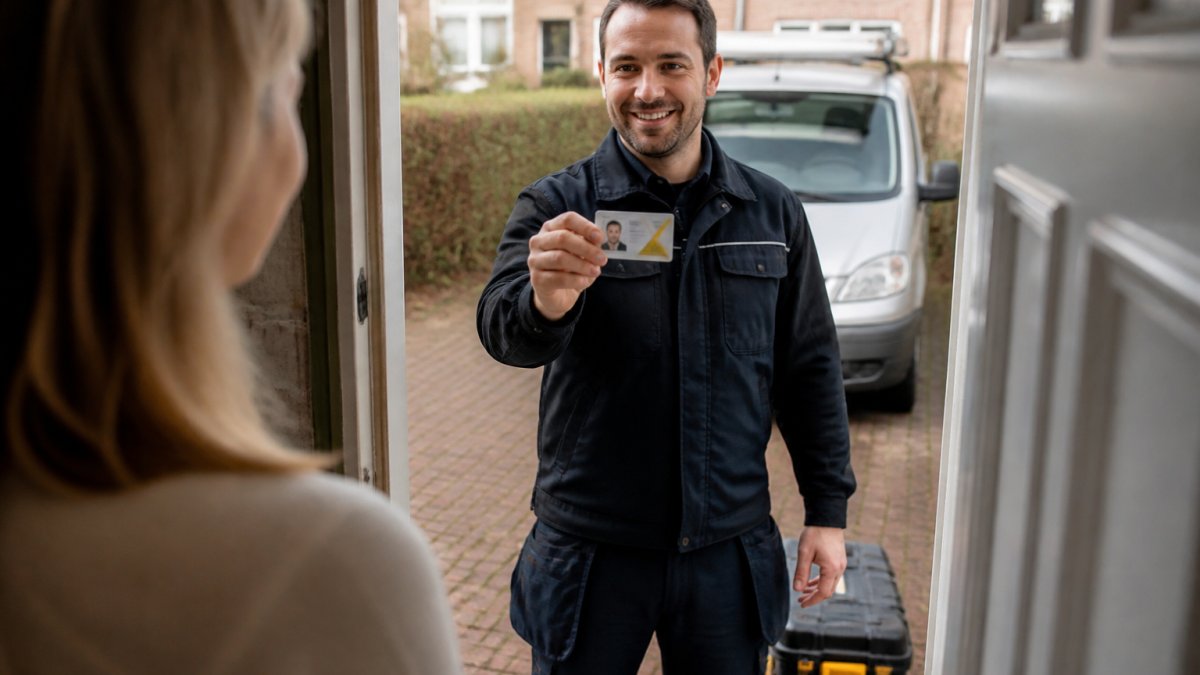
Check these details on the card:
- The photo matches the person at your door
- The licence number matches the online search result
- The card has a hologram and a QR code
- The expiry date has not passed
Scan the QR code with your phone. It should take you to the same register entry. If the card looks worn, altered, or the details do not match, do not let them in.
Step 3: Match the Gas Safe Engineer Qualifications to the Job
A valid licence is not enough on its own. Gas Safe engineer qualifications are split by work type, and an engineer may be registered for boilers but not for gas fires, or for domestic work but not commercial premises.
The register lists their specific categories. Match those to your job:
| Job Type | Qualification to Look For |
|---|---|
| Boiler installation or repair | Boilers (domestic) |
| Gas hobs and cookers | Cooking appliances |
| Gas fires and heaters | Gas fires and space heating |
| Commercial premises | Commercial gas categories |
| Landlord safety checks | Domestic gas safety (CP12) |
If the category does not cover your appliance, they are not qualified for that job, even with a valid card.
What to Do If an Engineer Is Not Gas Safe Registered
Do not let them start work. Ask them to leave, and do not pay a deposit or sign anything.
Then report them. The official Gas Safe Register reporting service lets you flag suspected illegal gas work. You can also report the matter to your local trading standards team.
If unregistered work has already been done, book a Gas Safe registered engineer to inspect it. They will check for leaks, poor combustion, and unsafe fittings. Do not use the appliance until it has been checked.
At Castle Rock Plumbing heating and renewables, our engineers are Gas Safe registered for the work we carry out. We are happy to show our ID cards and licence details before any job starts.
Common Mistakes to Avoid When Checking Registration
The biggest mistake is trusting the logo on the van. Anyone can buy a sticker. The register is the only proof that counts.
Other traps to watch for:
- Checking the business, not the person. A registered firm can still send an unregistered subcontractor. Check the individual.
- Skipping the expiry date. Registrations lapse. Always confirm the licence is current.
- Ignoring the qualification categories. A valid card does not mean they can work on your appliance type.
- Accepting a screenshot. Fake images are easy to make. Use the live register search.
- Not checking again for repeat work. Verify every time, even if you used them before.
Conclusion
Checking registration sounds simple, but plenty of homeowners skip it and regret it later. The risk of carbon monoxide, fires, and voided insurance is not worth saving a few minutes.
If you need gas work done and want the paperwork checked before anyone arrives, get in touch with Castle Rock Plumbing heating and renewables. Our engineers are Gas Safe registered, we explain the scope before work begins, and we serve homes, landlords, and commercial premises across the area.
Get a boiler quote from Castle Rock Plumbing heating and renewables and book with a team that shows its credentials up front.
Frequently Asked Questions
How do I check if a gas engineer is Gas Safe registered?
Ask for the engineer's licence number and check it on the Gas Safe Register website or by calling the register's helpline. Cross-check the name, business name and the types of work listed against the job you need doing. A genuine engineer will give you the number without hesitation. If they cannot or will not provide one, do not let them touch your gas appliances. The check takes a couple of minutes and is free.
What details should I check on a Gas Safe ID card?
Look at the front for the engineer's photo, name, licence number and the card's expiry date. On the back, check the list of gas work types they are qualified for, such as boilers, cookers or fires, and confirm your job is covered. The card should also show the business name. If the photo does not match the person at your door, or the expiry date has passed, stop and verify the licence number online before any work begins.
Does Gas Safe registration cover every type of gas work?
No. Registration confirms an engineer is competent for the specific categories listed on their card, not all gas work. An engineer qualified on domestic boilers may not be certified for commercial catering equipment or certain industrial installations. Always match the qualifications on the back of the card to the task, particularly for commercial premises where the categories differ. If the work falls outside their listed scope, ask for an engineer who holds the right qualification.
How often should a landlord check an engineer's Gas Safe registration?
Check before every job, not just the first one. Registration can lapse, and qualifications can change between visits. Landlords should record the engineer's licence number and the date checked alongside the Gas Safety Record for each property. This creates an audit trail if a tenant or the Health and Safety Executive ever asks. For landlords managing multiple properties, keep a simple log so repeat visits are quick to verify.