Table of Contents
- What Landlord Insurance Typically Covers for Boiler Repair
- Does Landlord Insurance Cover Boiler Breakdown
- Boiler Breakdown Cover for Landlords: What's Included and What Isn't
- Landlord Insurance Boiler Replacement: When You're Covered
- Landlord Boiler Maintenance Responsibilities and Insurance Impact
- Common Exclusions and Conditions That Affect Boiler Repair Claims
- What to Do If Your Boiler Repair Isn't Covered
- Frequently Asked Questions
Last Updated: 12 October 2026
What Landlord Insurance Typically Covers for Boiler Repair
Whether is boiler repair covered by landlord insurance varies significantly by policy type and provider.
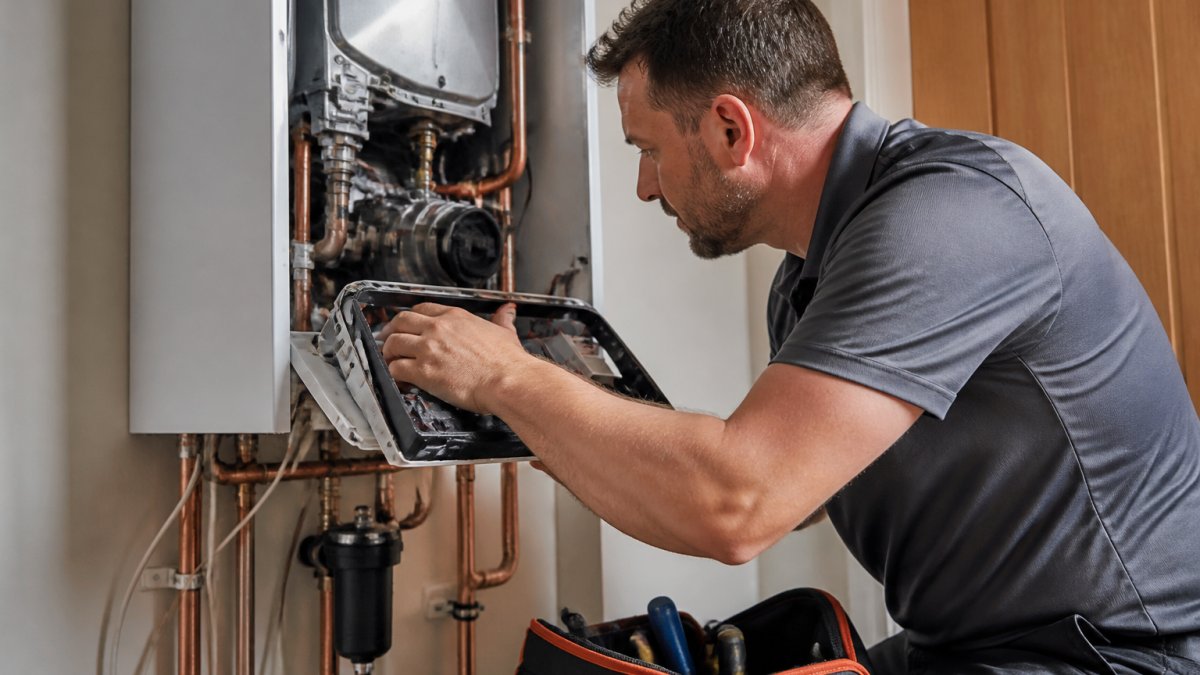
If your boiler breaks down due to wear and tear or a mechanical fault, standard landlord insurance won't cover the repair.
Understanding the difference between accidental damage and breakdown is crucial.
Many landlords add optional boiler breakdown cover to fill this gap.
The key question isn't just whether you're covered, it's what your policy includes. Reading the small print is essential, as many policies contain exclusions that catch landlords off guard.
What triggers coverage?
Your buildings insurance covers boiler damage caused by insured events. These typically include:
- Fire or explosion
- Flooding or water damage from burst pipes
- Storm damage
- Theft or vandalism
- Subsidence
Breakdown caused by normal wear, lack of maintenance, or mechanical failure falls outside this protection. That's where optional boiler breakdown cover becomes valuable.
Does Landlord Insurance Cover Boiler Breakdown
No, standard landlord insurance does not cover boiler breakdown in most cases.
This gap surprises many landlords who assume that because they're insured for "everything," a broken boiler is covered. In reality, breakdown is treated as a maintenance issue, not an insurable loss.
Optional boiler breakdown cover exists specifically because standard policies exclude it. Adding it shifts repair costs to the insurer, provided the breakdown isn't due to negligence or lack of maintenance.
Insurers exclude breakdown because boilers wear out predictably. Unlike a fire or flood, a boiler failure is often preventable through regular servicing and maintenance.
Why breakdown isn't covered automatically
Insurance covers unpredictable, catastrophic events, and a boiler breakdown is neither. Including it in every policy would drive premiums up for all customers, most of whom will never claim.
Insurers price risk on likelihood, and boiler breakdowns are common enough that covering them for everyone would be costly. That's why it's an optional extra rather than standard.
Your landlord insurance protects against sudden loss, such as a fire destroying the property or a flood damaging the interior. These rare, financially catastrophic events are in a different category from a broken boiler.
Boiler Breakdown Cover for Landlords: What's Included and What Isn't
Boiler breakdown cover for landlords typically includes repair or replacement of the boiler itself, plus sometimes controls and heating pipework. Limits and inclusions vary widely, so compare policies carefully.
Most boiler breakdown policies cover:
- Emergency call-out fees
- Labour costs for repairs
- Parts and replacement components
- Temporary heating if the boiler can't be repaired quickly
- Drain-down and refilling of the system
What's often excluded or limited:
- Damage caused by lack of maintenance or no valid Gas Safe certificate
- Claims made within 30 days of the policy start date
- Boilers older than a certain age (commonly 10-15 years)
- Damage caused by freezing or corrosion
- Costs for upgrades or improvements
- Routine servicing and maintenance
The fine print matters: some policies require an annual Gas Safe inspection to remain valid, and without servicing or certification the insurer can refuse a claim entirely.
Age limits and conditions
Many boiler breakdown policies impose age restrictions. A boiler over 10 or 15 years old may not be eligible, or may attract higher premiums, reflecting that older boilers fail more often.
Some insurers require proof of professional installation and regular servicing, and missing records can invalidate a claim. Proper documentation, including every service visit, Gas Safe certificate and maintenance record, strengthens your position with your insurer.
Excess on boiler breakdown policies typically ranges from £50 to £250 per claim. A higher excess means lower premiums but more out of pocket when you claim.
Landlord Insurance Boiler Replacement: When You're Covered
Boiler replacement is covered by landlord insurance only in specific circumstances. If your boiler is damaged beyond repair by an insured peril, such as fire, flood, or explosion, buildings insurance should cover replacement.
The distinction between replacement due to damage and replacement due to breakdown is critical: insurance covers the former, optional breakdown cover the latter.
With boiler breakdown cover, if the boiler can't be economically repaired, many policies cover replacement with a similar-specification unit.
Without breakdown cover, a failed boiler means paying for replacement entirely yourself, a significant unexpected expense for landlords with multiple properties.
Timing and claim limits
Most boiler replacement policies set time limits for claims, typically a set number of days from the breakdown to report it. Delays can affect your claim.
Replacement policies often cap the payout; if your boiler costs more than the limit, you pay the difference. Understanding these limits beforehand prevents unpleasant surprises.
Some policies offer priority engineer response for a slightly higher premium. For landlords with tenants, faster service means less disruption and fewer complaints.
Landlord Boiler Maintenance Responsibilities and Insurance Impact
Your maintenance responsibilities directly affect your insurance coverage. Most landlord policies, particularly those with boiler breakdown cover, require the boiler to be kept in good working order, and failure to do so can void coverage entirely.
Regular Gas Safe inspections are non-negotiable. Your tenants have a legal right to a safe heating system, and you have a legal obligation to provide one.
Documentation is critical. Keep records of every service, every inspection, every repair. If you need to claim, your insurer will ask for proof that you've maintained the boiler properly.
What "proper maintenance" means
Proper maintenance includes:
- Annual Gas Safe inspection and servicing
- Prompt repairs of any faults identified during servicing
- Bleeding radiators and checking pressure regularly
- Keeping the boiler clear of obstructions
- Ensuring the condensate pipe isn't frozen in winter
Neglecting these basic tasks gives your insurer grounds to refuse a claim. They'll argue that the breakdown resulted from your negligence, not from a covered peril.
A well-maintained boiler is less likely to fail unexpectedly, and if it does, you'll have the documentation to support a successful claim.
Impact on claims
If your boiler breaks down and you haven't had it serviced in the last year, your claim will likely be rejected. The insurer will argue that regular servicing would have identified the problem before it became critical.
Conversely, if you have a complete service history and the boiler fails despite proper maintenance, your claim is much stronger. You can demonstrate that the failure wasn't due to negligence.
Common Exclusions and Conditions That Affect Boiler Repair Claims
Understanding whether is boiler repair covered by landlord insurance is as important as knowing what your policy excludes. Common exclusions can catch landlords off guard and result in denied claims.
Most policies exclude:
- Breakdowns caused by lack of maintenance or missing Gas Safe certificates
- Damage from freezing pipes (unless you've taken reasonable precautions)
- Corrosion or scaling inside the boiler
- Damage from using the wrong type of fuel
- Claims made during the first 30-60 days of the policy
- Boilers that have been abandoned or left without heating
- Faults present when the policy started (pre-existing conditions)
Some policies also exclude claims if you've ignored previous faults or repair recommendations. If a surveyor noted a problem and you didn't address it, the insurer can refuse to pay if that problem later causes a breakdown.
Freezing and seasonal exclusions
Winter brings specific risks. Frozen pipes and condensate lines can damage boilers. Some policies exclude freeze damage unless you've taken reasonable precautions, such as insulating pipes or keeping the property heated.
If a property is left unoccupied during winter without heating, many policies won't cover freeze-related damage. This catches out landlords who leave properties empty between tenancies.
Warranty and guarantee conditions
If your boiler is still under manufacturer's warranty, your insurance might require you to claim through the warranty first. Some policies won't pay for repairs that would be covered by a valid warranty.
Similarly, if you have a service contract with an engineer, your insurance might only cover costs above what the contract includes.
What to Do If Your Boiler Repair Isn't Covered
If your boiler repair isn't covered by your insurance, you have several options. Understanding them helps you make the best decision for your situation.
First, contact your insurer in writing. Explain the breakdown and ask them to clarify in writing why it's not covered.
Second, review your policy documents carefully. Look for any clause that might apply to your situation. Sometimes coverage exists in an unexpected section.
Third, consider whether you have any recourse. If you believe the insurer has acted unfairly, you can escalate your complaint to their internal appeals process.
Paying for repairs yourself
If the claim is genuinely not covered, you'll need to pay for repairs from your own pocket. Get quotes from multiple engineers before committing. Prices vary significantly, and it's worth shopping around.
When getting quotes, ask what's included. Does the price cover labour only, or labour and parts? What's the warranty on the repair? How quickly can they attend?
We provide transparent quotes for boiler repairs and replacements. We explain exactly what's included, what it costs, and what your options are.
Considering replacement
If your boiler is old and repair costs are high, replacement might be more economical in the long term. A new boiler is more reliable, more efficient, and may qualify for better insurance rates.
Some landlords add boiler breakdown cover after a breakdown occurs. You can't claim for the current problem, but you'll be protected for future breakdowns. This is a sensible step if you've learned the hard way that breakdowns aren't covered.
Preventing future claims
Once you've dealt with the current breakdown, take steps to prevent the next one:
- Schedule annual Gas Safe servicing before the winter season
- Keep detailed records of all maintenance and repairs
- Address any faults identified during servicing promptly
- Consider adding boiler breakdown cover to your policy
- Ensure the property is properly heated during winter, even between tenancies
Regular maintenance is far cheaper than emergency repairs or full replacement. A well-maintained boiler costs less to run, breaks down less often, and keeps your tenants happy.
When you're managing rental properties, unexpected boiler failures can derail your budget and frustrate your tenants.
Whether you need an annual Gas Safe inspection or urgent repairs, our Gas Safe registered engineers are here to help. Get a boiler quote today and protect your investment with professional maintenance and expert guidance.
| Coverage Type | What's Covered | What's Not Covered |
|---|---|---|
| Standard landlord insurance | Fire, flood, theft, storm damage | Breakdown, wear and tear, lack of maintenance |
| Boiler breakdown cover (optional) | Repair or replacement, parts, labour | Pre-existing faults, age-restricted boilers, lack of servicing |
| Buildings insurance | Structural damage to boiler | Routine maintenance, age-related failure |
External sources for further reading:
Gas Safety Regulator guidance on landlord responsibilities sets out your legal obligations for boiler safety in rental properties.
Citizens Advice on landlord insurance provides independent guidance on what landlord policies should cover.
Financial Conduct Authority complaints procedure explains how to escalate disputes with insurers if you believe you've been treated unfairly.
Frequently Asked Questions
Does landlord insurance cover boiler repairs?
Landlord insurance coverage for boiler repair depends entirely on your specific policy. Standard landlord buildings insurance typically covers structural damage or damage from insured events like fire or flooding, but routine boiler repairs are usually excluded. Many policies require you to maintain the boiler through regular servicing and Gas Safe certificates. Check your policy wording or contact your insurer directly to confirm what's covered under your specific terms.
What happens if I don't service my boiler and it breaks down, will insurance still cover the repair?
No. Most landlord insurance policies require annual servicing by a Gas Safe registered engineer as a condition of cover. If your boiler breaks down and you cannot prove current servicing records, your insurer will likely decline the claim. Failure to maintain the boiler also breaches your legal responsibility under the Gas Safety (Installation and Use) Regulations 1998. Regular servicing protects both your claim eligibility and your tenants' safety.
Is boiler breakdown covered by landlord insurance if the damage is from a covered event?
Yes, but only if the boiler damage results from a named insured event such as fire, flooding, or subsidence. If your boiler fails due to normal wear and tear or lack of maintenance, it won't be covered. For example, if a water leak from a burst pipe damages your boiler, the pipe repair might be covered under buildings insurance, but the boiler replacement typically requires separate breakdown cover or a specific boiler policy.
Should I get separate boiler breakdown cover alongside my landlord insurance?
Many landlords choose separate boiler breakdown cover because standard landlord insurance rarely includes it. Breakdown cover typically handles emergency repairs and replacements due to mechanical failure, which standard policies exclude. Given the cost of a new boiler and the legal requirement to keep heating systems safe and functional for tenants, breakdown cover provides useful financial protection. Compare costs and coverage limits to decide whether it suits your portfolio and risk tolerance.