Last Updated: November 4, 2026
Quick Summary
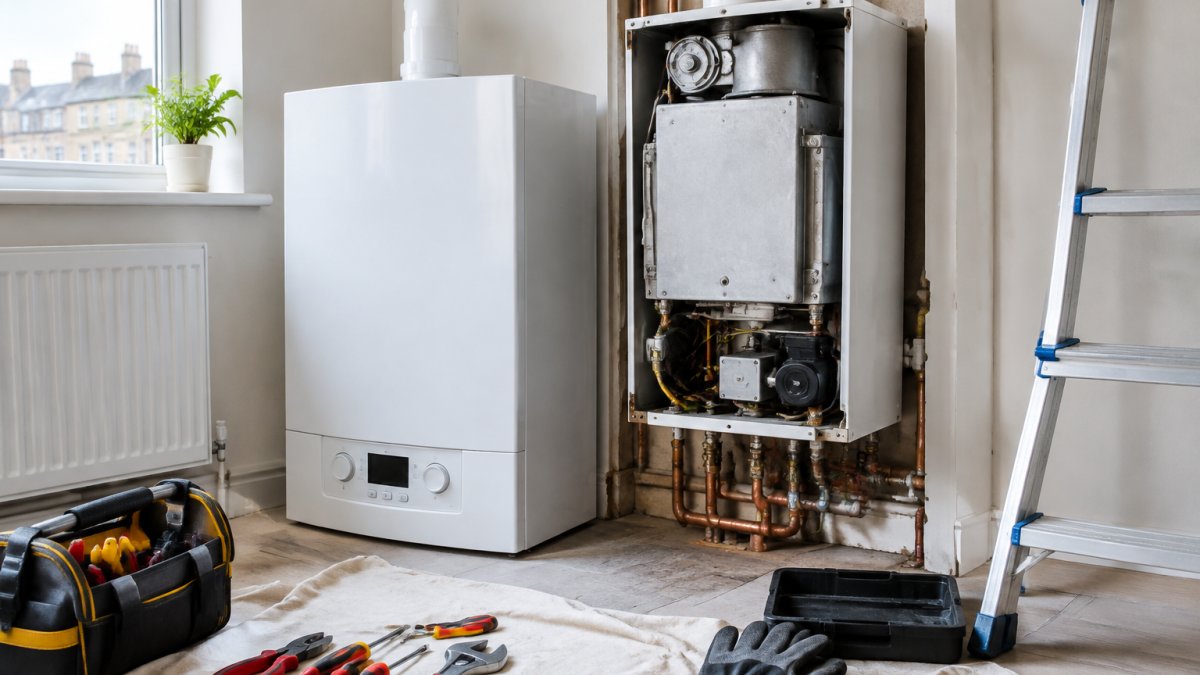
To replace a boiler in a flat, a like-for-like swap usually takes 4-8 hours, while jobs involving a flue change, boiler conversion or relocation can take one to three days. The difference is scope rather than speed, so a proper survey is the only reliable way to confirm your timeline.
- A combi to combi swap with a flue change typically takes one day.
- Converting a regular boiler to a combi usually takes 1.5 to 2.5 days.
- Relocating a boiler typically adds a day or more to the job.
- Clear at least a metre of working space around the boiler cupboard before installation day.
- Obtain any leasehold or freeholder consent in writing before the installation day.
Table of Contents
- How Long to Replace a Boiler in a Flat: The Realistic Timelines
- The Boiler Installation Process Step by Step
- What Affects How Long to Replace a Boiler in a Flat
- New Boiler Installation Cost and What Drives It
- Boiler Relocation Costs and the Extra Time Involved
- Why a Gas Safe Registered Engineer Changes the Timeline
- How to Prepare Your Flat Before Installation Day
- Get a Boiler Quote Before You Book
- Frequently Asked Questions
How Long to Replace a Boiler in a Flat: The Realistic Timelines
Most flat owners want a straight answer before they book anything. As a general guide, a like-for-like swap can take a few hours, while a job involving changes to the flue, pipework or boiler position can take two or three days. The difference between a morning and a week is usually scope rather than speed.
Below, we break down the realistic timelines by job type, explain what stretches them, and show you how to prepare so installation day runs to schedule.
Like-for-like swaps versus full system changes
A like-for-like replacement means a new boiler goes into the same position, on the same flue route, with the same pipe connections. Those jobs are generally the quickest.
A full system change is a different animal. Converting a regular or heat-only boiler to a combi, moving the unit, or upgrading the flue and controls adds drainage, new pipework and commissioning time.
| Job type | Typical duration | What's involved |
|---|---|---|
| Like-for-like combi swap | 4-8 hours | Drain down, swap unit, flush, commission |
| Combi to combi with flue change | 1 day | New flue route, pressure test, certification |
| Regular to combi conversion | 1.5-2.5 days | Remove cylinder, new pipework, make good |
| Boiler relocation | 2-3 days | New position, extended gas and condensate runs |
The Boiler Installation Process Step by Step
A typical installation follows a core sequence, and knowing it helps you judge any timeline you're quoted.
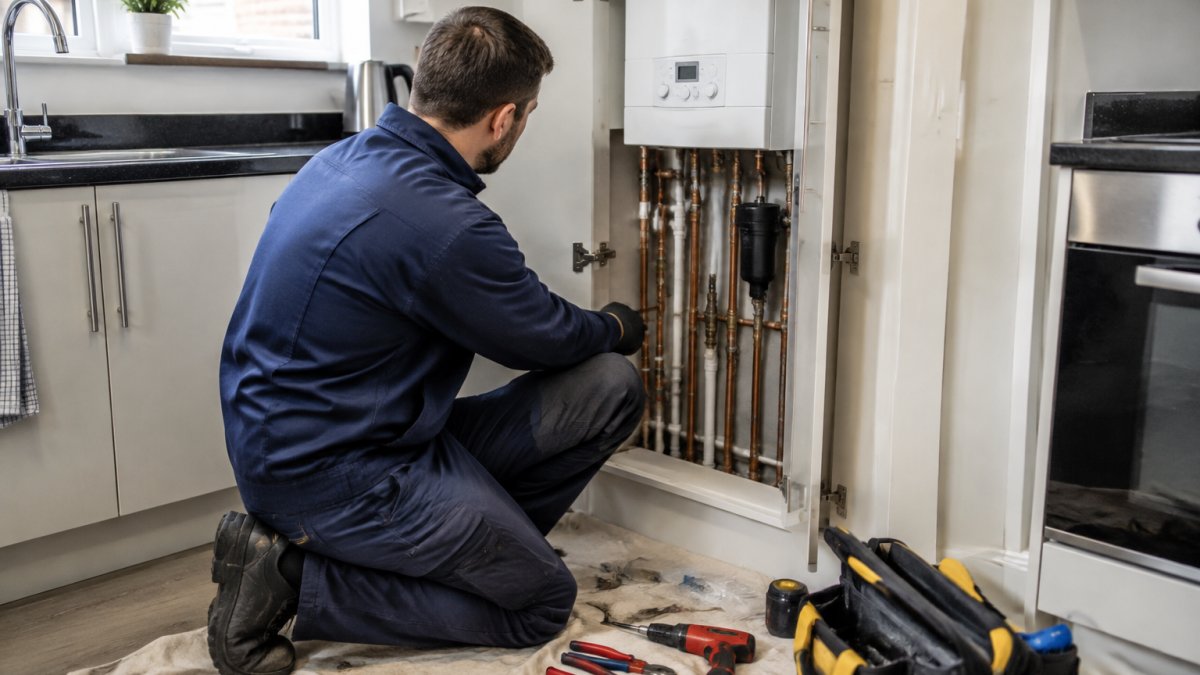
- Isolation and drainage. The engineer isolates the gas supply, drains the central heating system and removes the old unit.
- Mounting and connection. The new boiler is mounted, and gas, water and condensate pipework is connected and sized correctly.
- Flue installation. The flue is fitted to the correct route with proper ventilation and clearances.
- System flush and filter. The system is flushed and a magnetic filter fitted to protect the new unit.
- Refilling, balancing and testing. The system is refilled, radiators balanced, and a pressure test carried out.
- Commissioning and certification. The engineer commissions the boiler and issues the building regulations compliance certificate.
For a fuller planning walkthrough, our step-by-step boiler installation guide covers costs, checklists and how to get a quote.
What Affects How Long to Replace a Boiler in a Flat
Several factors decide whether your job takes half a day or most of a week. The big ones are flat access, flue routing and whether the boiler type is changing.
Flat-specific constraints: flues, cupboards and access
Flats can bring constraints that houses do not. A flue may need to run through an external wall shared with a neighbour, and building management may require permission for any external alteration. Cupboard-mounted boilers need adequate ventilation and clearance, and tight stair access can slow the carry-in and removal. Checks of this kind are usually best made during a survey.
Converting boiler types and moving the unit
Converting from a regular or system boiler to a combi can remove the need for a cylinder and loft tank, but it typically involves new pipework and making good. Moving a boiler to a new location generally adds extended gas pipe sizing, a new flue route and a condensate run, which can lengthen the job considerably.
New Boiler Installation Cost and What Drives It
New boiler installation cost depends on boiler type, output, flue route, controls and any pipework upgrades, so quotes vary widely between flats. We won't quote a figure without seeing the property, and we'd be wary of anyone who does. Ask for a breakdown covering the unit, labour, materials, VAT and certification. For a detailed local price guide, see our Edinburgh boiler installation cost breakdown.
Boiler Relocation Costs and the Extra Time Involved
Boiler relocation costs sit above a straight swap because you're paying for new gas pipework, an extended flue, a condensate route and making good the old position. Relocation typically adds a day or more. If you're weighing a straight replacement against a move, our boiler installation and repairs service explains both routes before you commit.
Why a Gas Safe Registered Engineer Changes the Timeline
A Gas Safe registered engineer works to a set of safety checks. Gas pipe sizing, pressure testing, ventilation and flue clearance all need to be verified before commissioning, and skipping them is unsafe. You can check any engineer's credentials yourself using the official Gas Safe Register before work starts, and our guide on how to verify Gas Safe registration walks through it.
How to Prepare Your Flat Before Installation Day
Preparation is the cheapest way to protect your timeline, and in a flat it matters more than in a house because access, permissions and shared spaces all add friction. It helps to use this checklist in the week before installation rather than on the morning of.
Before the day
- Clear the boiler cupboard completely and create at least a metre of working space around it, engineers need room to remove the case, manipulate the flue and work safely
- Remove shelves, cupboard doors or boxing that would block access, and confirm the new unit will fit the existing opening
- Move valuables, fragile items and anything that could be damaged by dust or water away from the work area, and cover furniture if the route passes through living space
- Confirm parking or loading access for the engineer, and arrange a parking suspension or loading bay with the local authority if there is no off-street space
- Check building management rules on flue or external work, working hours and contractor sign-in, and obtain any leasehold or freeholder consent in writing before the day
- Note where the stopcock, gas meter, isolation valves and fuse spur are, and make sure they are accessible
- Clear the route from the entrance to the boiler, communal stairs, corridors and lifts should be free of obstructions and protected if required
- Arrange to be home for the full day, and have a contact number for the managing agent or building manager in case access issues arise
On the day
Make sure the engineer can isolate the gas and water supply without moving furniture, and keep pets and children away from the work area. If the boiler is in a kitchen, expect the water to be off for part of the day and plan accordingly. Ask the engineer to confirm the flue route and boiler position before work starts, so any change in scope is agreed early rather than discovered mid-job.
Watch out: if the boiler cupboard is boxed in, the flue route is blocked or consent has not been obtained, the engineer may need to stop and reschedule, which can add days.
Immediately after the engineer leaves
A short snagging check protects you while the engineer is still fresh on the job. Confirm the boiler fires and runs on both heating and hot water, check that radiators heat evenly and that there are no leaks at visible pipework, and verify the system pressure is at the manufacturer's recommended level. Ask for the building regulations compliance certificate and the benchmark commissioning checklist, and confirm the boiler has been registered with the manufacturer for its warranty. Note any noise, error code or cold radiator and report it the same day rather than waiting, most issues are quick to resolve while the installation is fresh.
Get a Boiler Quote Before You Book
The only reliable way to know how long your flat's replacement will take is a proper survey. We assess the boiler position, flue route, pipework and controls, then explain the scope and agree it with you before any work begins.
Best for: flat owners who want a clear timeline and a fixed scope before booking. Skip if: you only need a service or repair, which we handle separately.
Get a boiler quote from our Gas Safe registered team and ask us to confirm the realistic timeline for your flat before you commit.
Frequently Asked Questions
How long does a standard boiler replacement take in a flat?
A like-for-like combi swap in a flat is often completed in a single day for a straightforward job. A flat with an awkward flue route, a tight cupboard or old pipework can run into a second day. Converting from a regular or system boiler to a combi, or moving the unit to a new position, typically pushes the work to two or three days because drainage, pipework and flue routes all change.
Does moving a boiler to a new location increase installation time?
Yes, considerably. A relocation means new gas pipe sizing, a fresh flue route, altered condensate pipe runs and often draining and refilling the central heating system. Boiler relocation costs reflect that extra labour and materials, and the job usually takes longer than a straight swap. The Gas Safe registered engineer also needs to pressure test the new gas supply run before commissioning.
What factors cause a boiler installation to take longer than expected?
The most common causes are a flue route that cannot follow the planned path, Victorian or undersized pipework in older tenement flats, a system flush revealing sludge that needs a magnetic filter fitted, and limited parking or stair access for moving the unit and materials. Building management rules on flue position can also add survey time before work starts. A pre-installation survey can help identify many of these before installation day.
Are there specific regulations for boiler installations in flats?
Boiler work must comply with Building Regulations and be carried out by a Gas Safe registered engineer. Flue terminals have minimum distances from windows, vents and boundaries, which matters more in flats where a neighbour's opening window may sit close by. If you rent the flat out, you also need a Gas Safety certificate renewed annually. In a tenement or factored block, check the deed or factor rules on flue and external pipework before work begins.
Do I need to be home during the entire boiler replacement?
You need to be there at the start to confirm scope and access, and at the end for commissioning, the controls walkthrough and handover of the Gas Safety certificate or benchmark record. Most engineers are happy for you to leave during the middle of the day if access and keys are agreed in advance. For landlords, a letting agent or tenant can provide access, but agree who signs off the completed work.
Replacing a boiler in a flat shouldn't feel like guesswork. Castle Rock Plumbing heating and renewables offers Gas Safe registered engineers, clear communication about scope and options, and expertise across traditional and renewable heating systems. Get started with Castle Rock Plumbing heating and renewables and book a survey that gives you a timeline you can plan around.
