Last Updated: October 26, 2026
Quick Summary
Radiator valves older flats require must match your pipework's connection type, typically 15mm inlets, and physical configuration, straight valves for horizontal pipework or angled valves for pipes approaching from above. Thermostatic radiator valves work reliably in older systems and provide room-by-room temperature control, whilst smart valves offer convenience if Wi-Fi coverage is adequate.
- Older flats typically use 15mm copper pipework with bottom inlet connections, different from modern systems
- Straight valves suit horizontal pipework along walls; angled valves suit pipes approaching from above or at angles
- Thermostatic radiator valves operate independently of system pressure and work equally well in gravity-fed or pumped systems
- Smart valve batteries last 2-3 years and require Wi-Fi signal strength testing before installation
- Professional installation prevents compatibility issues and leaks in period properties with non-standard pipework
Table of Contents
- Why radiator valve choice matters in older properties
- Radiator valve compatibility with traditional pipework
- Angled vs straight radiator valves: which suits your flat
- Thermostatic radiator valves for period properties
- Smart radiator valves in older heating systems
- Replacing radiator valves: what you need to know
- Getting the right radiator valves fitted
- Frequently Asked Questions
Why radiator valve choice matters in older properties
Radiator valve compatibility isn't just a technical detail, it's the difference between a heating system that works smoothly and one that creates problems for years. Radiator valves older flats use must accommodate specific physical constraints, particularly those with traditional pipework that rule out modern valve designs.
When you fit the wrong radiator valves in an older flat, you risk leaks, poor heating control, and expensive callbacks. The pipework in Victorian and Edwardian properties typically runs at different angles and uses different connection sizes than contemporary systems. A valve that works perfectly in a new-build won't necessarily fit an older radiator without modification or damage.
The best radiator valves for older Edinburgh flats depend on three factors: the pipework layout, the radiator connection type, and whether you want basic temperature control or advanced smart functionality. Understanding these differences upfront saves money and prevents installation headaches.
Radiator valve compatibility with traditional pipework
Traditional pipework in older properties creates specific constraints that modern heating systems often ignore.
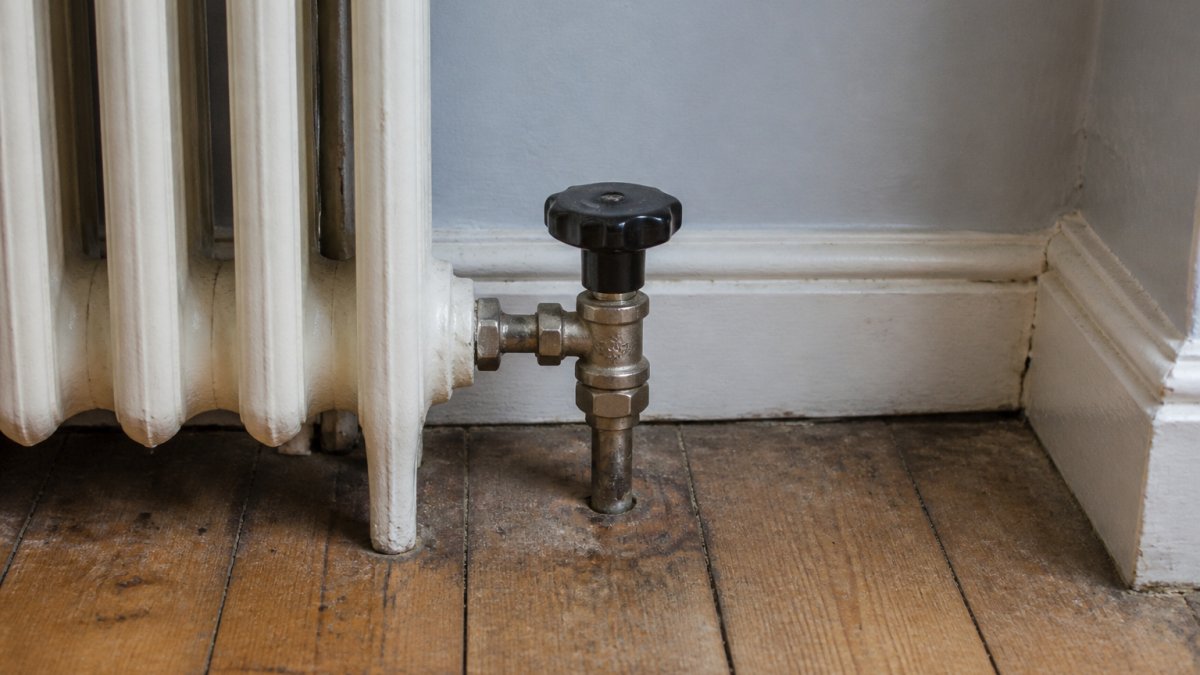
The key compatibility issue is connection type. Older radiators usually have bottom inlet connections (where pipes enter from beneath), whilst modern radiators often feature side connections. This difference affects which valve body style will actually fit and seal properly.
Pipework diameter is another critical factor. Older systems frequently use 15mm copper pipework throughout, whereas modern systems often mix 15mm and 22mm depending on the run.
Water pressure in older systems also differs. Traditional gravity-fed systems operate at lower pressure than modern pumped systems. Valves designed for high-pressure modern systems can sometimes over-respond in older, lower-pressure installations, making temperature control less precise.
Building Standards guidance on heating system installation recommends checking existing pipework dimensions and connection types before selecting replacement valves. This step is often skipped, leading to compatibility problems.
When selecting radiator valves older flats require, confirm the exact inlet connection size (typically 15mm), measure the pipework diameter, and verify whether your system is gravity-fed or pumped. This information determines which valve styles will actually work.
Angled vs straight radiator valves: which suits your flat
The choice between angled and straight radiator valves depends entirely on how your pipework approaches the radiator. Both styles control water flow and temperature, the difference is purely physical fit.
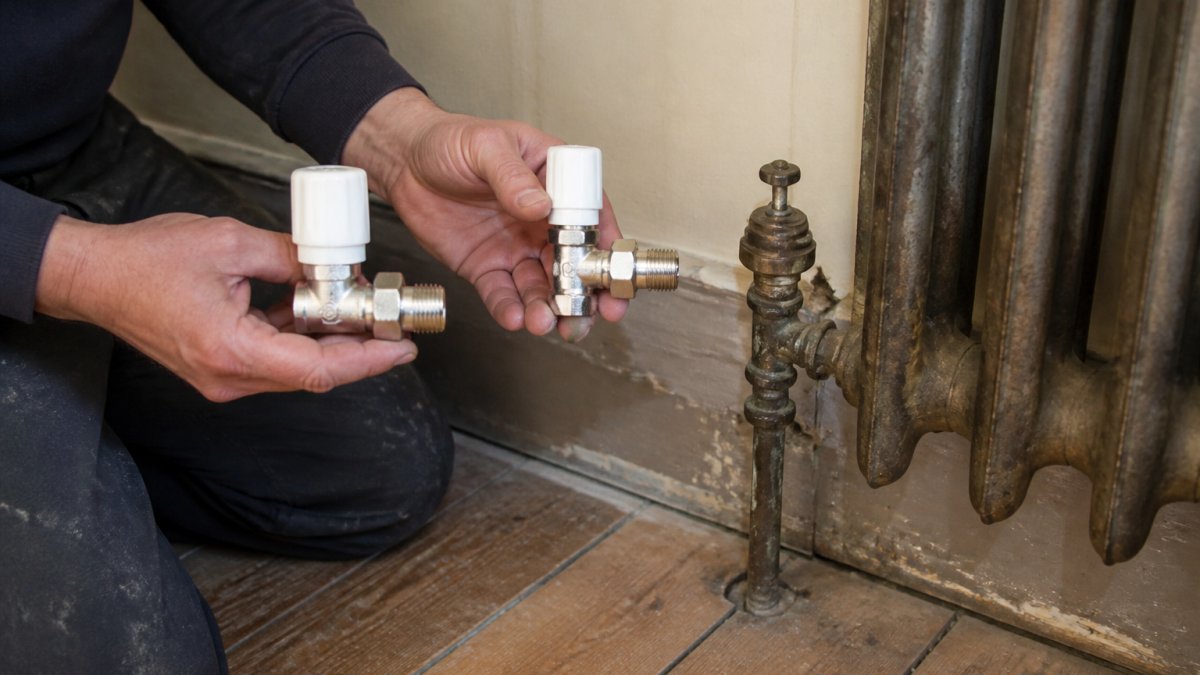
Straight radiator valves work when pipework runs horizontally along the wall or floor directly into a radiator's bottom inlet. The valve body extends straight out from the radiator connection point.
Angled radiator valves are necessary when pipework approaches the radiator from an angle, typically when pipes come down a wall or emerge from corner positions.
Using the wrong style creates installation problems. A straight valve in an angled position either sticks out awkwardly or requires forcing the pipework, both of which compromise the seal. An angled valve in a straight position wastes space and looks incorrect.
The practical difference: measure how your pipework approaches each radiator before ordering valves. If the pipe comes straight in horizontally, buy straight valves. If it comes from above or at an angle, buy angled valves.
For older flats, straight valves are statistically more common because traditional heating layouts favoured horizontal pipework runs. However, don't assume, check each radiator individually.
Radiator valves come in two physical styles, each suited to different pipework configurations.
| Valve type | Best for | Key difference |
|---|---|---|
| Straight radiator valves | Horizontal pipework along walls or floors | Valve body extends straight from radiator connection |
| Angled radiator valves | Pipework approaching from above or at angles | Angled body allows valve to sit flush with 90-degree pipe connection |
Thermostatic radiator valves for period properties
Thermostatic radiator valves (TRVs) add automatic temperature control to individual radiators. Instead of manual on-off operation, a TRV maintains your chosen room temperature by opening and closing automatically as the room warms or cools.
The advantage in older flats is precise room-by-room control. Period properties often have poor insulation and inconsistent heating, some rooms stay cold whilst others overheat. TRVs solve this by letting you set different temperatures for different spaces.
Traditional TRVs work well in older systems because they operate independently of system pressure. A gravity-fed system or a modern pumped system, both work equally well with TRVs. The valve's internal mechanism responds to room temperature, not system pressure.
Watch out: TRVs require proper installation on both the flow and return pipework connections. In older systems, the return connection sometimes uses a lockshield valve instead of a thermostatic one.
The Heating Hub's thermostatic radiator valve buyer's guide compares over 30 TRV models available in the UK market, including both standard and designer finishes.
For period properties, TRVs are worth the investment because they adapt to the heating challenges older flats present. The automatic control means you're not constantly adjusting radiators manually, and you save energy by preventing overheating in well-insulated rooms.
Smart radiator valves in older heating systems
Smart radiator valves connect to your home heating system via wireless controls, allowing temperature adjustment from a phone app or scheduled automatically. They represent the newest radiator valve technology, but they work surprisingly well in older systems.
The appeal is convenience and efficiency. You can adjust individual room temperatures without being in the room, set schedules that match your routine, and receive alerts if a radiator stops working.
The compatibility question: do smart valves work reliably in older heating systems? Generally yes, but with caveats. Smart valves communicate via wireless protocols (usually Zigbee or similar) that don't depend on the heating system's age or pressure.
The real limitation is installation. Smart valves require a hub or bridge device that connects to your home Wi-Fi network. In older flats with poor Wi-Fi coverage in certain rooms, signal strength might become an issue.
Battery life is another practical consideration. Smart valve heads contain batteries that typically last 2-3 years. Replacing batteries across multiple radiators becomes a recurring task, not difficult, but easy to forget.
For older Edinburgh flats, smart valves make most sense if you're upgrading your entire heating system or if you specifically want remote temperature control. If basic thermostatic valves solve your heating problem, smart valves add cost without proportional benefit.
Replacing radiator valves: what you need to know
Replacing radiator valves is straightforward in principle but requires careful preparation.
Before you start, confirm the exact valve type your radiator needs.
Draining the system is the first step. Most older radiators have a bleed valve at the top and a drain valve at the bottom.
Removing the old valve requires an adjustable spanner or two, one to hold the valve body steady, another to turn the union nut connecting the valve to the pipework. Turn slowly and steadily.
Installing the new valve is a reversal of removal. Wrap the thread with PTFE tape to ensure a watertight seal, then hand-tighten the union nut before using a spanner for the final turn.
Refilling requires opening the drain valve and letting water flow back in slowly. As the system fills, open radiator bleed valves to release trapped air. This step is critical, air locks prevent proper heating and cause gurgling sounds.
Gas Safe Register guidance on heating system work specifies that certain heating modifications require a registered engineer. For valve replacement specifically, many homeowners tackle this themselves, but if you're uncertain about any step, professional installation is safer.
For older flats with potentially problematic pipework, professional installation removes the risk of damaging connections or creating leaks that damage ceilings or walls below.
Getting the right radiator valves fitted
Selecting the right radiator valves for your older flat is one decision; getting them fitted correctly is another. Poor installation creates leaks, reduces heating efficiency, and wastes the money you've spent on better valves.
Professional installation ensures compatibility checks happen before work begins. A qualified heating engineer will inspect your existing pipework, confirm the correct valve types, and identify any compatibility issues before starting. This prevents the common scenario where a new valve arrives and doesn't fit the existing connections.
At Castle Rock Plumbing, Heating and Renewables, we handle radiator valve replacement as part of broader heating system work. We understand the specific challenges older Edinburgh flats present, non-standard pipework configurations, period radiators with unusual connections, and systems that need careful handling to avoid damage. Discuss your heating project with Castle Rock to explore radiator replacement and broader central heating solutions tailored to your property's needs.
The cost of professional installation varies depending on the number of radiators, the valve types selected, and whether any pipework modifications are necessary. Rather than guessing, contact Castle Rock for a heating quote that covers your specific property and requirements. We'll assess your existing system, recommend the best valve types for your flat, and provide a clear scope before work begins.
For Victorian tenements and other period properties with complex heating layouts, professional guidance is particularly valuable. Read our guide to plumbing repairs in Victorian tenements for more information on managing heating systems in older Edinburgh properties.
Choosing radiator valves for an older flat requires understanding your existing pipework, confirming connection types, and matching valve styles to your property's specific layout. The right choice ensures reliable heating control, prevents leaks, and avoids costly callbacks.
Frequently Asked Questions
Which radiator valves are best for an older flat?
The best radiator valves for older flats depend on your pipework layout and radiator type. Straight valves suit traditional Victorian properties where pipework runs along walls or floors directly into bottom inlets. Thermostatic radiator valves (TRVs) work well in most older systems and help control individual room temperatures. Have a Gas Safe registered engineer inspect your pipework first, they'll identify whether you need straight, angled, or corner valves and recommend thermostatic or manual options based on your heating system's age and configuration.
Are thermostatic radiator valves compatible with older radiators?
Yes, thermostatic radiator valves are generally compatible with older radiators, but compatibility depends on the radiator's inlet type and your pipework arrangement. Victorian and traditional radiators typically have bottom inlets that accept standard TRV sizes. However, some older systems use one-pipe heating or unusual connection points where TRVs may not fit directly. An inspection by a qualified heating engineer will confirm whether your radiator can accommodate a TRV or whether you need a different valve type.
Should I choose angled, straight or corner radiator valves?
Your choice depends entirely on how your pipework approaches the radiator. Use straight valves when pipework runs horizontally along the wall or floor directly into a bottom inlet. Choose angled valves when pipework comes from the side at an angle. Corner valves suit situations where pipework approaches from a corner. Measure your pipework route and radiator inlet position before ordering. If you're unsure, a heating engineer can assess your setup and recommend the correct type, getting this wrong means the valve won't fit or seal properly.
Are smart radiator valves worth it in an older flat?
Smart radiator valves can offer benefits in older flats if your heating system is compatible. They let you control individual room temperatures remotely and can reduce energy bills by preventing overheating in unused rooms. However, older properties with one-pipe heating systems or unusual pipework may not support smart valves reliably. Installation costs are higher than standard TRVs. Discuss compatibility with a Gas Safe engineer before investing, they'll advise whether smart valves suit your system's age and layout.
Can I replace radiator valves without draining the whole heating system?
Yes, you can replace individual radiator valves without a full system drain. A qualified engineer uses a drain valve or isolation procedure to empty just that radiator, then removes the old valve and fits the new one. This saves time and cost compared to draining the entire system. However, if you have very old pipework or corrosion, draining the full system may be necessary. Always have a Gas Safe registered engineer handle this work, attempting it yourself risks leaks, damage, and loss of heating.
